
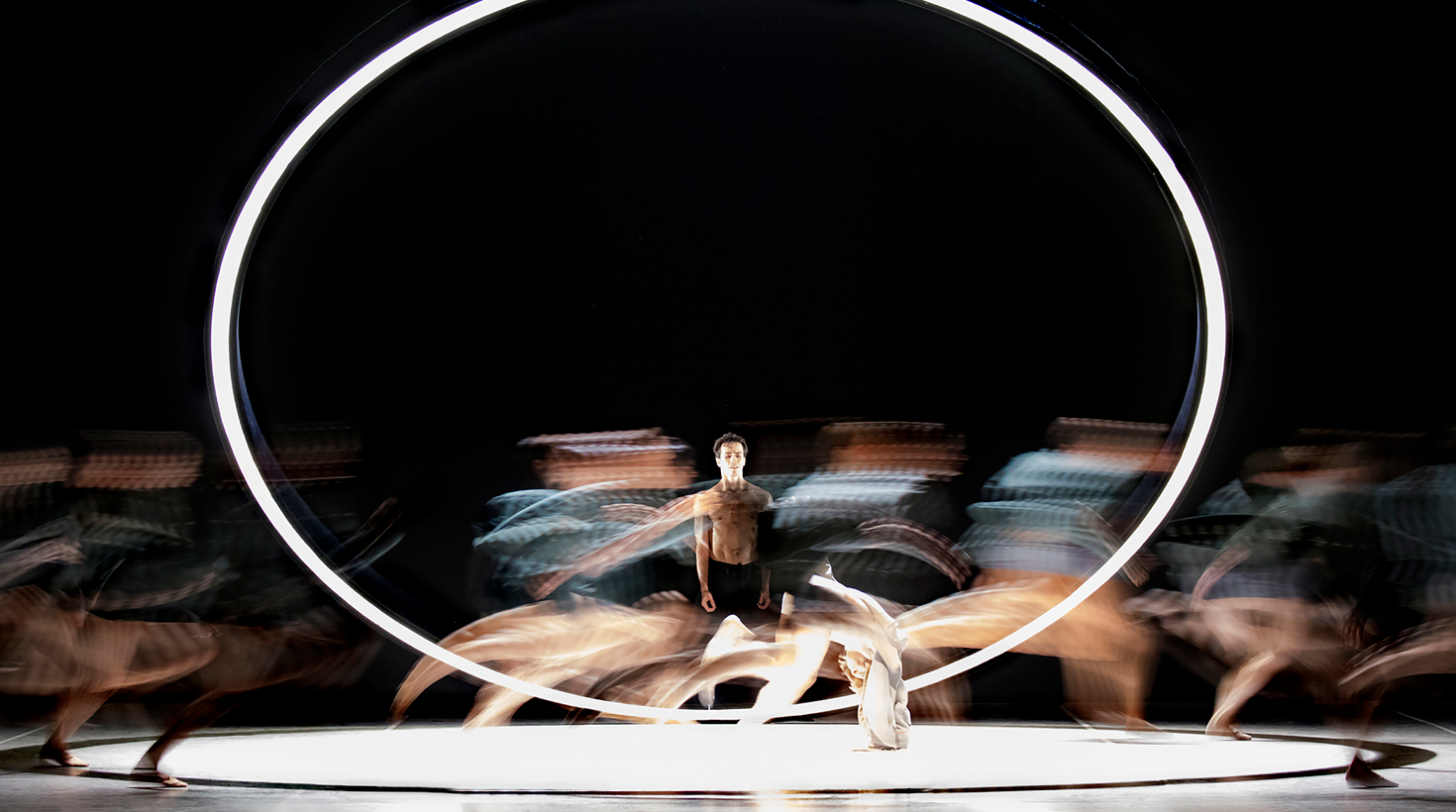
The Gran Teatre del Liceu presents from April 12 to 15 for the first time in Barcelona 'Nijinsky' by John Neumeier with the Hamburg Ballet. Jonathan Nott makes his debut conducting music by Rimsky-Korsakov and Shostakovich in tribute to Vaslav Nijinsky.


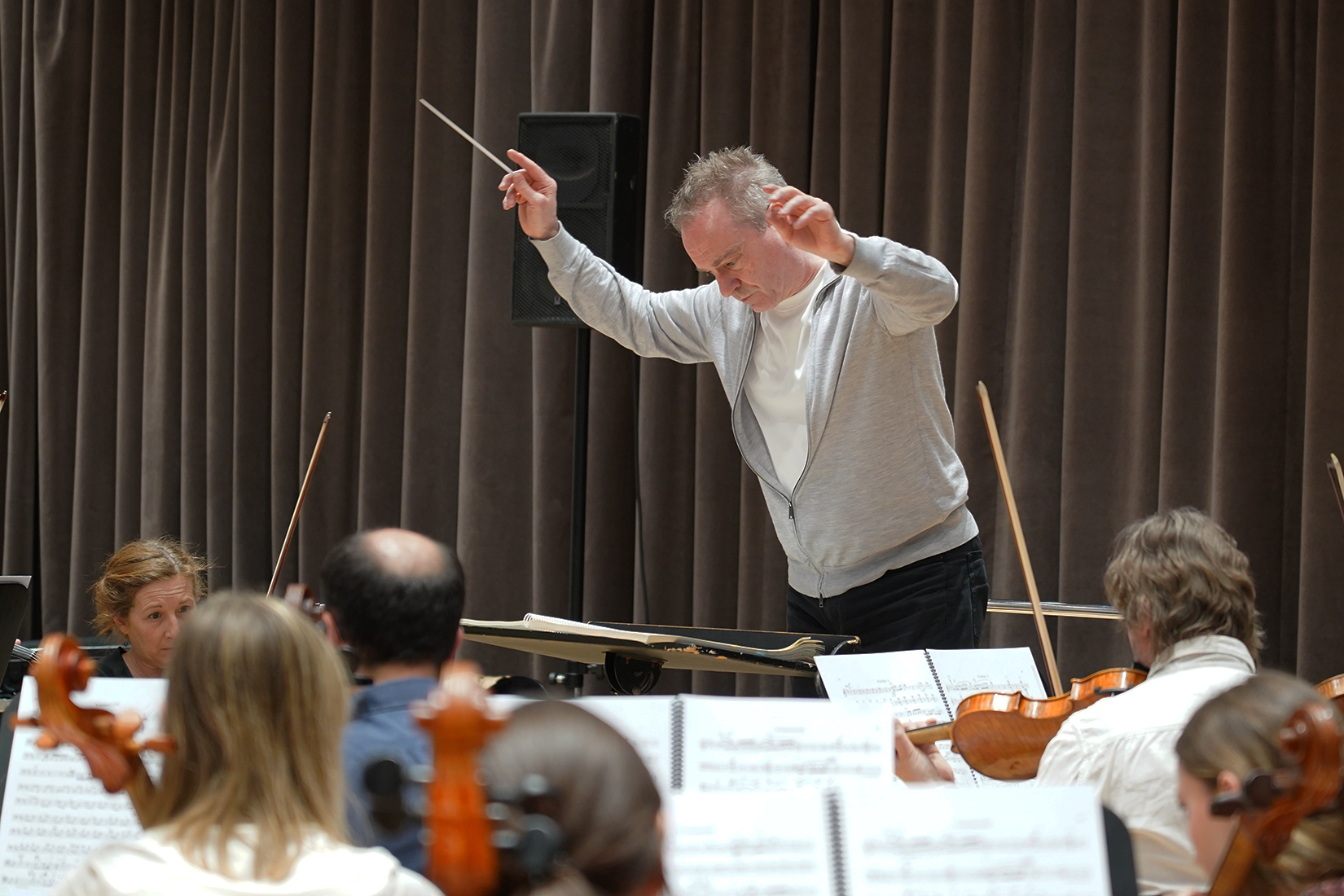
The Gran Teatre del Liceu presents Nijinsky by Neumeier, a two-act ballet with direction and choreography by John Neumeier and featuring the prestigious Hamburg Ballet on stage. The work, which premiered on July 2, 2000 at the Hamburg Ballet, now arrives for the first time at the Liceu from April 12 to 15. This ballet will also be the first opportunity for the Liceu audience to see its future musical director, Jonathan Nott, leading the Gran Teatre del Liceu Orchestra.
Jonathan Nott’s debut at the helm of the Gran Teatre del Liceu Orchestra features a highly ambitious and demanding musical program, including works by composers such as Frederic Chopin, Robert Schumann, Nikolai Rimsky-Korsakov, and Dmitri Shostakovich. Particularly notable are Rimsky-Korsakov’s Scheherazade and Shostakovich’s Symphony No. 11, large-scale, highly expressive pieces that pose a significant challenge for the orchestra. This repertoire thus serves as a top-level introduction for Maestro Nott, allowing him to showcase his ability to navigate complex textures and grand dramatic arcs.
This title, which will close the dance season, is a tribute from the Hamburg Ballet to the legendary Russian dancer Vaslav Nijinsky (Kyiv, 1889 – London, 1950), a key figure in the transformation of choreographic language at the beginning of the 20th century. Nijinsky opened new paths for modern dance until a severe mental illness prematurely removed him from the stage.
Founder of the Hamburg Ballet in 1973, Neumeier has repeatedly expressed his fascination with this legendary figure. According to the choreographer, Nijinsky’s ballets possessed a visual dramaturgy in which, ultimately, the substance was the choreography: choreography, theme, and narrative became a single, unified whole.
About the work
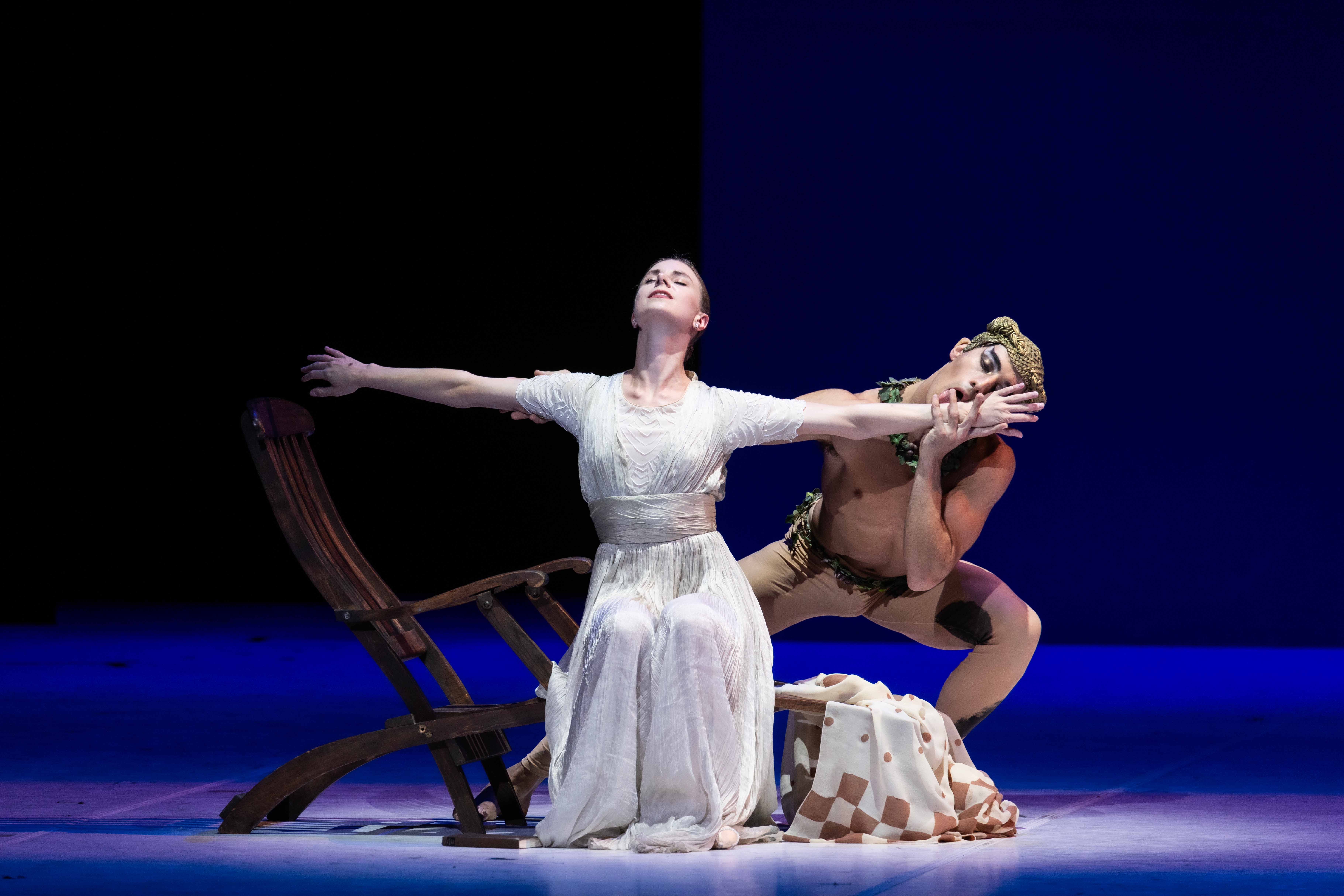
Vátslav Nijinsky (1889–1950), Russian dancer and choreographer of Polish origin, was one of the most exceptional artists in the history of dance. A soloist at the Mariinsky Theatre, guest at the Bolshoi, and principal dancer with Serge Diaghilev’s Ballets Russes, he stood out for his virtuosity, technical precision, and the depth of his characterizations. His unforgettable performances made him an icon admired by audiences, while his evocative and sensual choreography stirred controversy on the stages of Paris.
In a tragic turn of fate, Nijinsky succumbed to schizophrenia and spent the rest of his life entering and leaving treatment centers. His final performance took place on January 19, 1919, in a Swiss hotel, at just 29 years old, after a ten-year career that made him a true legend.
The acclaimed choreographer and director of the Hamburg Ballet for 50 years has explored this exceptional figure and his complexity in several creations. The ballet Nijinsky traces the artist’s biography through memories, associations, emotions, and visions, constructing a present of the past that reflects both the magic of a mythical stage and his most intimate experiences offstage.
With sets and costumes evoking the glamour of early 20th-century Paris, the work builds a world within a world, full of opulence, challenging the conventions of narrative ballet. The result is a remarkable theatrical spectacle and a tribute to the legendary dancer who forever transformed the world of ballet.
Synopsis
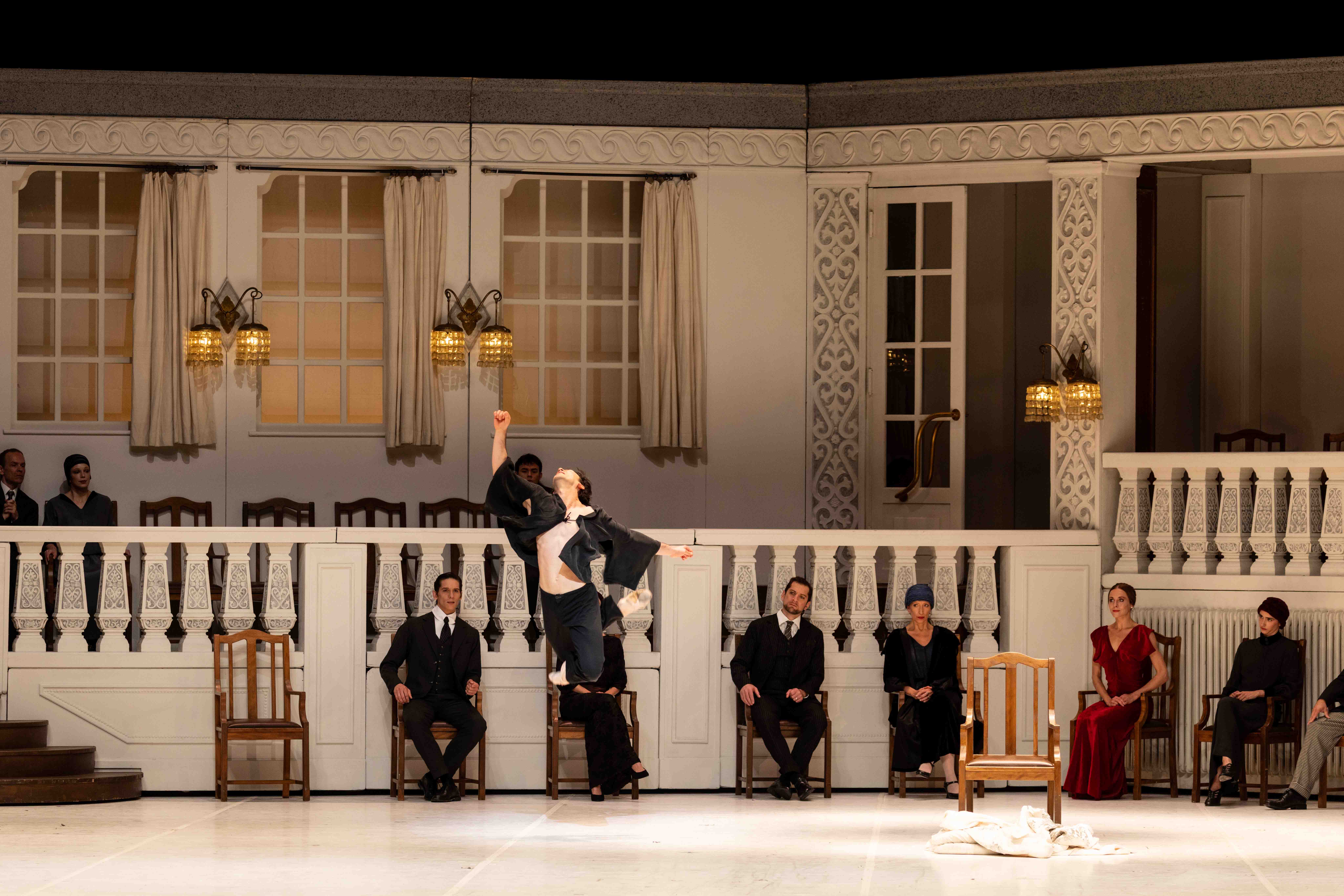
The work takes as its symbolic starting point Nijinsky’s final stage appearance in 1919, at a hotel in Saint Moritz, an experience he himself described as his “wedding with God.” That moment marks the end of an exceptional career and serves as the central inspiration for Neumeier’s creation, structured in two main sections. The ballet Nijinsky begins with a realistic recreation of this event. The following choreography visualizes his thoughts, memories, and hallucinations during that final performance.
Nijinsky is structured in two acts. In the first act, the dancer revisits his career with the Ballets Russes through memories and visions, from his most emblematic roles such as the Harlequin in Le Carnaval or the specter in Le Spectre de la Rose, to moments from his private life, including his family and his future wife, Romola Pulszky. In the second act, Nijinsky’s madness leads him to retreat inward, combining childhood and family memories with visions of World War I, betrayal by those around him, and the death of his brother Stanislav. The work culminates with his final performance at the Suvretta House, where the War becomes the last dance, symbolizing the end of his career and the intensity of his life experience.
John Neumeier, founder of the Hamburg Ballet
John Neumeier was born in 1939 in Milwaukee, Wisconsin, where he received his first dance training. He continued his studies in Chicago and at Marquette University, where he created his first choreographic works. After furthering his ballet training in both Copenhagen and at the Royal Ballet School, John Cranko invited him in 1963 to join the Stuttgart Ballet, where he became a soloist and continued developing his choreographic work.
In 1969, Ulrich Erfurth appointed him director of Ballet Frankfurt, where he soon made a sensation with new interpretations of well-known ballets such as The Nutcracker and Romeo and Juliet. In 1973, August Everding invited him to take on the direction and principal choreography of the Ballet d’Hamburg. Under his leadership, the company became one of the most prominent in the German scene and quickly gained international recognition. As a choreographer, Neumeier has consistently worked to preserve the tradition of ballet while giving his works a modern dramatic framework. His ballets range from new versions of major narrative titles to musicals and symphonic ballets —especially those based on the compositions of Gustav Mahler— as well as choreographies set to sacred music. Among his most recent creations for the Ballet d’Hamburg are The Sleeping Beauty (new version, 2021), Hamlet 21 (2021), Beethoven Project II (2021), and Dona Nobis Pacem (2022).
Neumeier has worked as a guest choreographer with numerous companies, including the Royal Ballet; the state operas of Vienna, Munich, and Dresden; the Stuttgart Ballet; the Royal Danish Ballet; the Paris Opera Ballet; the Tokyo Ballet; the American Ballet Theatre; the San Francisco Ballet; the Joffrey Ballet; the Boston Ballet; the National Ballet of Canada; the Mariinsky Theatre Ballet; the Bolshoi Theatre in Moscow and the Stanislavski Ballet; and the National Ballet of China, among others.
Among the awards he has received are the Dance Magazine Award (1983), the Order of Merit of the Federal Republic of Germany, the Order of Arts and Letters of France, and the Legion of Honor. In 2006, he received the prestigious Nijinsky Lifetime Achievement Award. In 2007, he was awarded the Herbert von Karajan Musikpreis and in 2008 the Deutscher Jubiläums Tanzpreis. In 2007, he was also named an honorary citizen of Hamburg. In November 2012, he accepted the Order of Friendship of the Russian Federation. In 2015, the Inamori Foundation awarded him the Kyoto Prize for his contributions to the arts and philosophy, and in 2016 he received the distinguished Prix Benois de la Danse for Lifetime Achievement. Among his most recent recognitions are the Lifetime Achievement Award from the Prix de Lausanne, the Erich Fromm Prize, and the Friendship Award of the People’s Republic of China.
In February 2006, Neumeier founded the John Neumeier Foundation with the aim of preserving and eventually making available to the public his collection of objects related to dance and ballet. The foundation ensures the conservation of his repertoire and associated materials for the city of Hamburg.
In 2011, Neumeier founded the National Youth Ballet of Germany. This young company, composed of eight dancers, is based at the Ballettzentrum in Hamburg but performs outside the Hamburg Opera. In addition to international tours, it carries out social work with performances in schools, care homes, and various community projects.
With the support of:

Benefactor of the Dance Circle: