

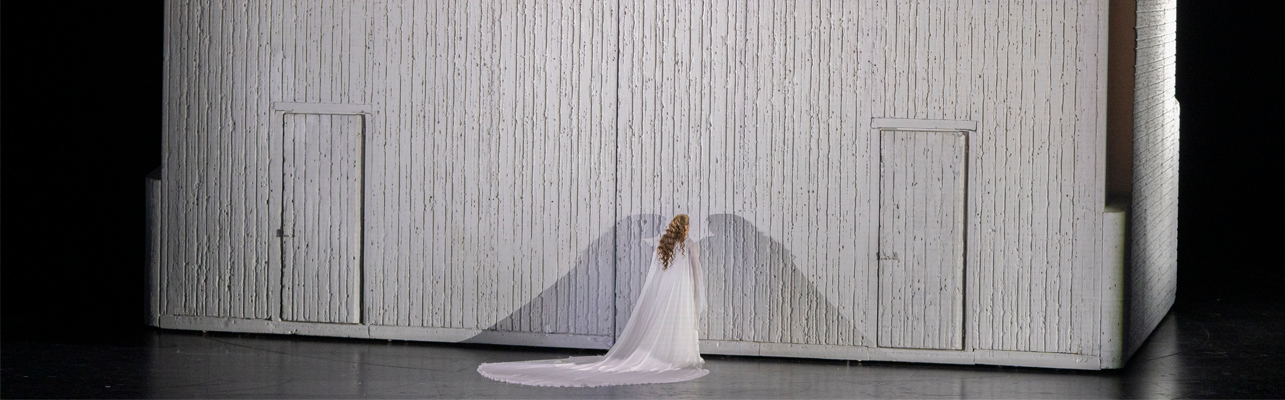
The great emotions of 'Aida' are also expressed through extraordinary music. From the aria “Celeste Aida” to the monumental Triumphal March and the moving “O patria mia,” Verdi created some of the most memorable moments in the history of opera. Discover three essential excerpts that reveal the dramatic and musical power of this masterpiece.


Act I, Radamès
“Celeste Aida”
When news arrives that Ethiopia has launched an attack on Egypt, the soldier Radamès expresses his wish for the Pharaoh to appoint him commander of the army, allowing him to fulfil two ambitions: to serve his homeland and to win glory so that he can marry his beloved Aida and place her “upon a throne beside the sun.” This passionate aria, which unfolds gradually before culminating in a heroic high C, is one of the most admired pieces in the lyric tenor repertoire. It offers singers the opportunity to display their technique, vocal beauty and power, while posing an exceptional challenge, as it appears almost at the very beginning of the opera, leaving little time for the voice to warm up.
Act II, orchestra and chorus
“Gloria all’Egitto”
This extended excerpt, which typically lasts around 12 minutes, is the triumphal march accompanying the Egyptian army’s procession after its victory over the Ethiopian forces led by King Amonasro. It begins with a ceremonial theme accompanied by the chorus before the famous fanfare, played by the trumpets, bursts forth a few minutes later. It is one of the most recognisable melodies in the entire operatic repertoire. The procession that follows is, in fact, a ballet, through which Verdi fulfilled one of the conventions of nineteenth-century French grand opera, which traditionally included a dance sequence in the second or third act, helping to create the work’s overwhelming sense of grandeur.
Act III, Aida
“O patria mia”
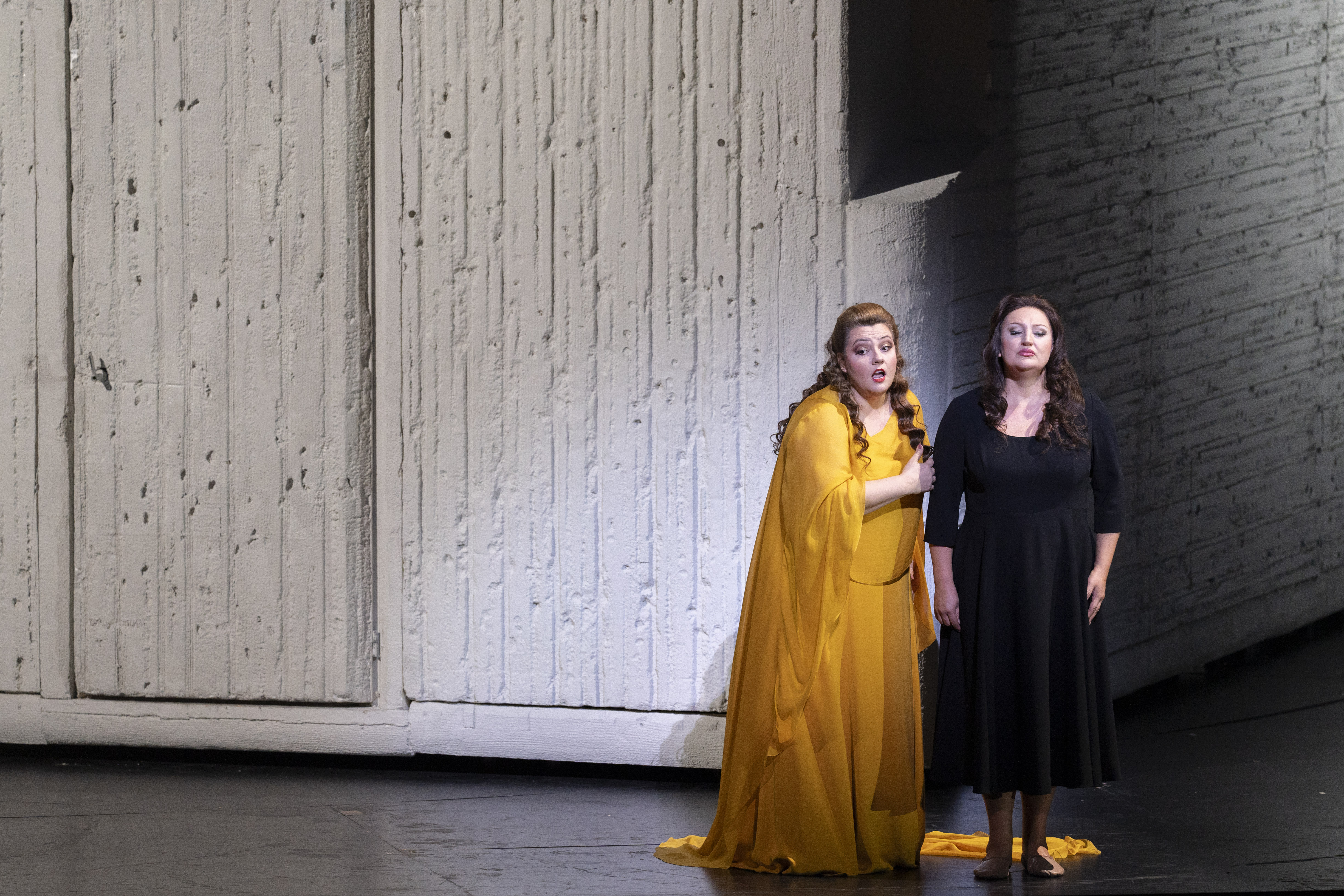
The end of the third act culminates in a clear and deeply passionate expression of the conflict that places the heroine in an impossible situation: she must choose between her love for Radamès and her love for her homeland. Should she flee with her father or remain with the man to whom she has given her heart? This is a short yet exceptionally demanding aria that has long been considered a true test for lyric-dramatic sopranos. “O patria mia” not only encapsulates an extraordinarily complex emotional struggle, but also requires flawless vocal technique, culminating in a final high note sung almost in pianissimo, like a desperate plea to a god who refuses to hear us.